February 19, 2026
When it comes to finishing interior spaces, baseboards play an essential role that goes far beyond simple decoration. They help create a polished transition between walls and floors while quietly supporting both durability and design cohesion. Often overlooked, this trim detail contributes to how complete and intentional a room feels. By blending form and function, it supports visual flow while helping preserve surrounding surfaces. Understanding how this element works within a space allows homeowners to make more informed and impactful design decisions.
Section 1: Enhancing Interior Decor
One of the most noticeable contributions of baseboard services is their ability to strengthen interior décor. Trim at the wall-to-floor junction helps visually anchor a room, giving it a finished appearance. Without this detail, spaces may feel abrupt or incomplete. When thoughtfully selected, molding enhances cohesion between flooring, wall color, and furnishings. This subtle framing effect helps unify all design elements into a harmonious whole.
Color coordination plays a major role in decorative impact. Wall trim can be painted to blend seamlessly with walls for a clean, modern look, or contrasted to create definition and visual interest. Neutral tones tend to support calm, understated interiors, while darker or bolder shades introduce drama. Designers often use this approach to guide the eye and establish rhythm throughout a space. These decisions influence mood, scale perception, and overall aesthetic balance.
Section 2: Architectural Definition and Visual Structure
Beyond color, trim profiles add architectural character that shapes how a room is experienced. Taller profiles can make ceilings feel higher and rooms more expansive, while slimmer designs suit minimalist or contemporary spaces. Through careful selection, baseboards can echo architectural styles ranging from traditional to modern. This continuity reinforces the design narrative and adds depth without overwhelming other features.
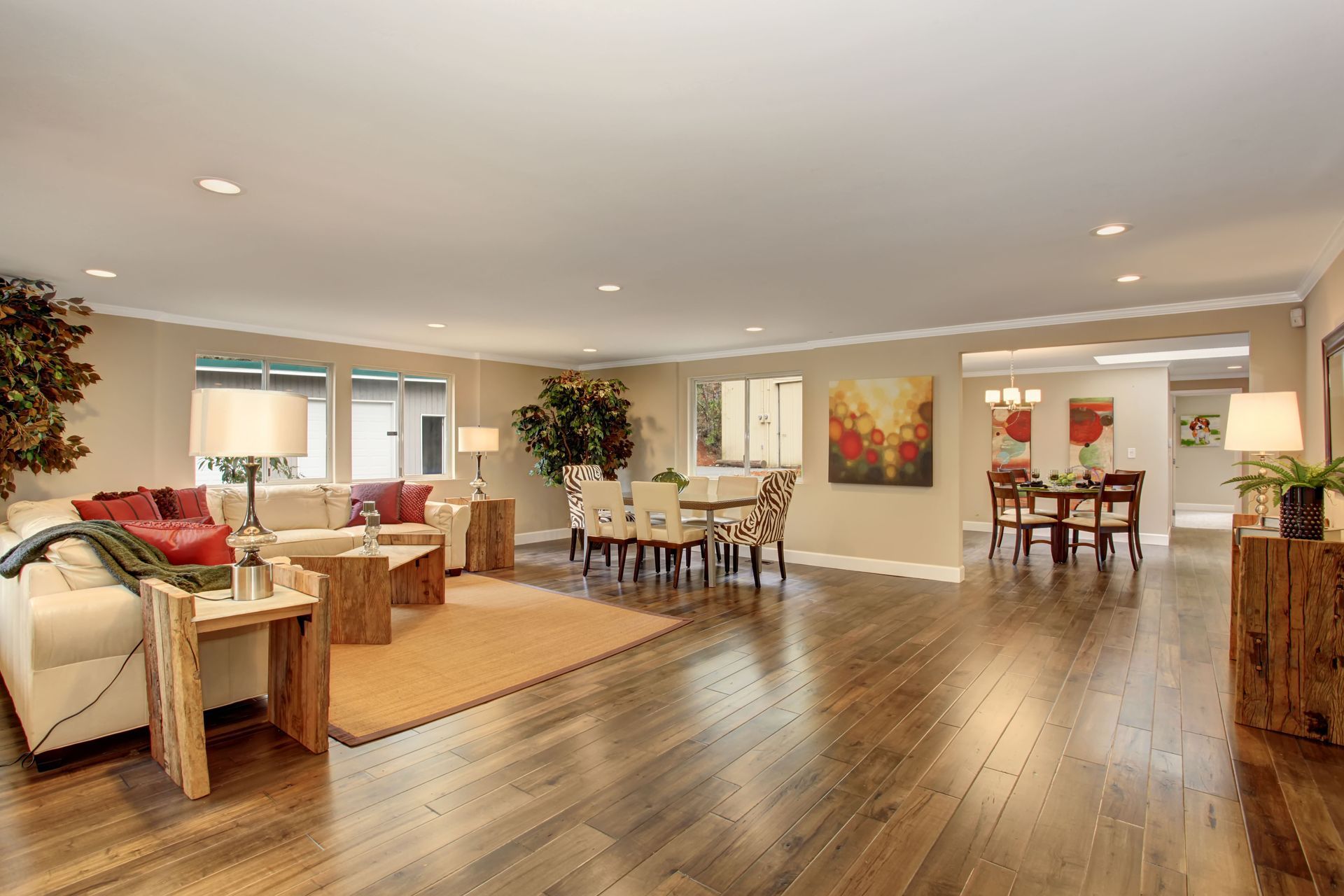
Visual structure is especially important in open-concept layouts. Molding helps establish boundaries without physical barriers, defining zones such as dining and living areas. These subtle cues assist with furniture placement and spatial flow. By clearly marking where surfaces meet, rooms feel more organized and intentional. This architectural clarity improves both form and function.
Section 3: Protecting Walls and Floors
In addition to their visual role, baseboards serve as a protective buffer for lower wall areas. Daily activities such as vacuuming, moving furniture, or foot traffic can easily scuff walls. Trim absorbs much of this wear, reducing the likelihood of paint damage or surface dents. This protection is especially valuable in high-traffic areas like hallways and family rooms.
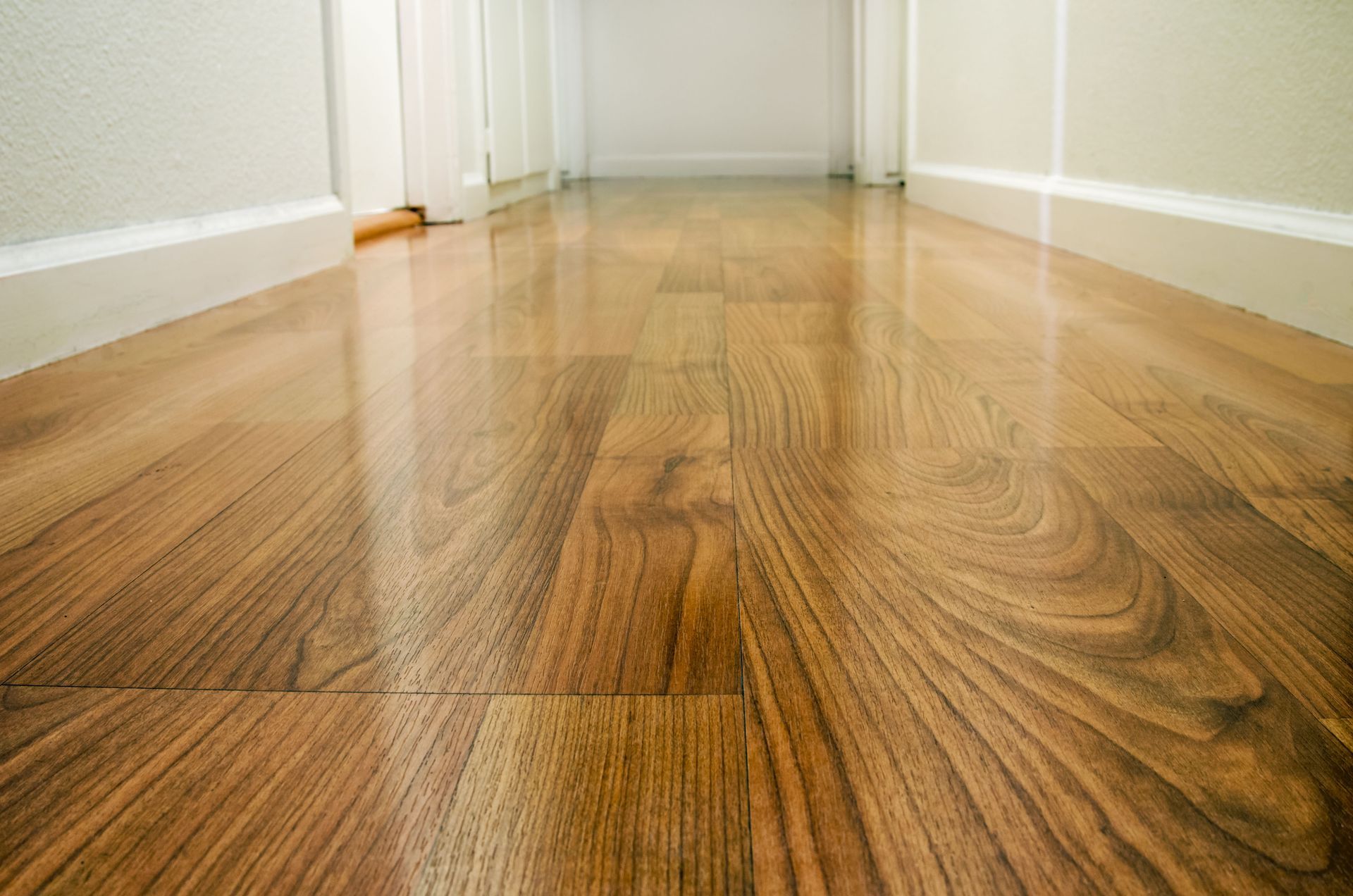
Flooring also benefits from this barrier. The edge where floor meets wall is particularly vulnerable to impact and abrasion. Wall molding shields this junction, helping preserve the integrity of hardwood, laminate, or tile installations. Over time, this preventative role supports long-term maintenance savings and preserves the appearance of costly finishes. According to HomeGuide, installation costs range from $6 to $9 per linear foot, with total project costs averaging between $400 and $1,500.
Section 4: Managing Moisture and Environmental Changes
Moisture exposure presents another challenge that baseboards help address. In kitchens, bathrooms, and basements, moisture-resistant trim materials guard against water intrusion. They protect wall edges from splashes, humidity, and minor leaks that might otherwise cause swelling or staining. Selecting appropriate materials is key to long-term performance in these environments.
Environmental changes also cause flooring materials to expand and contract. Wall trim discreetly conceals expansion gaps required for proper installation, maintaining a seamless appearance. By accommodating natural movement, it supports structural stability while preserving visual continuity.
Section 5: Cleanliness and Indoor Comfort
Trim contributes to cleanliness by reducing gaps where dust and debris can accumulate. By sealing the wall-to-floor transition, molding makes routine cleaning more efficient and thorough. This benefit is especially meaningful for households focused on indoor air quality or allergy management.
Smooth, well-finished trim surfaces can be wiped clean quickly, supporting a tidy living environment. Over time, this convenience enhances daily livability and reinforces the value of thoughtful interior detailing.
Section 6: Material Choices and Customization Options
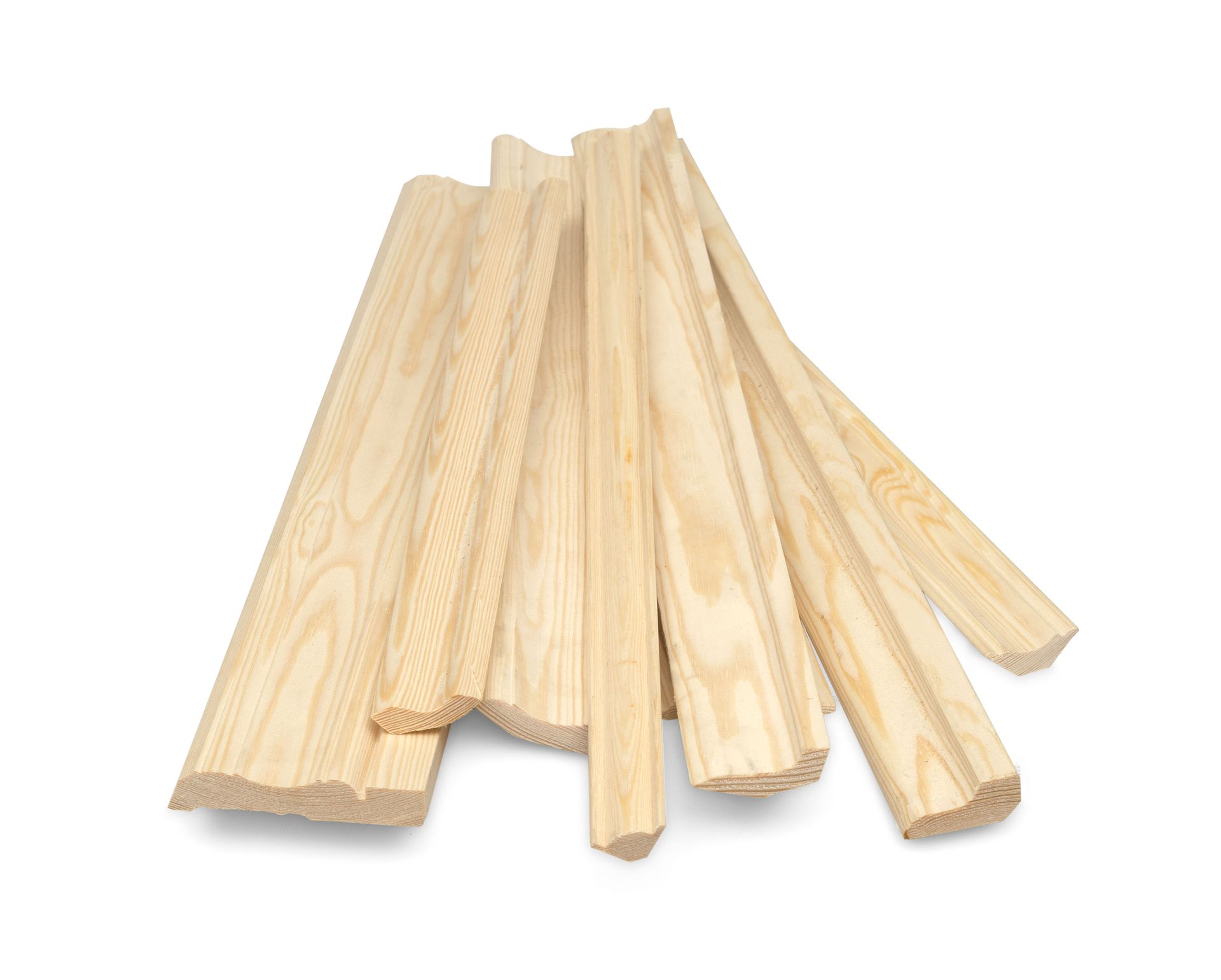
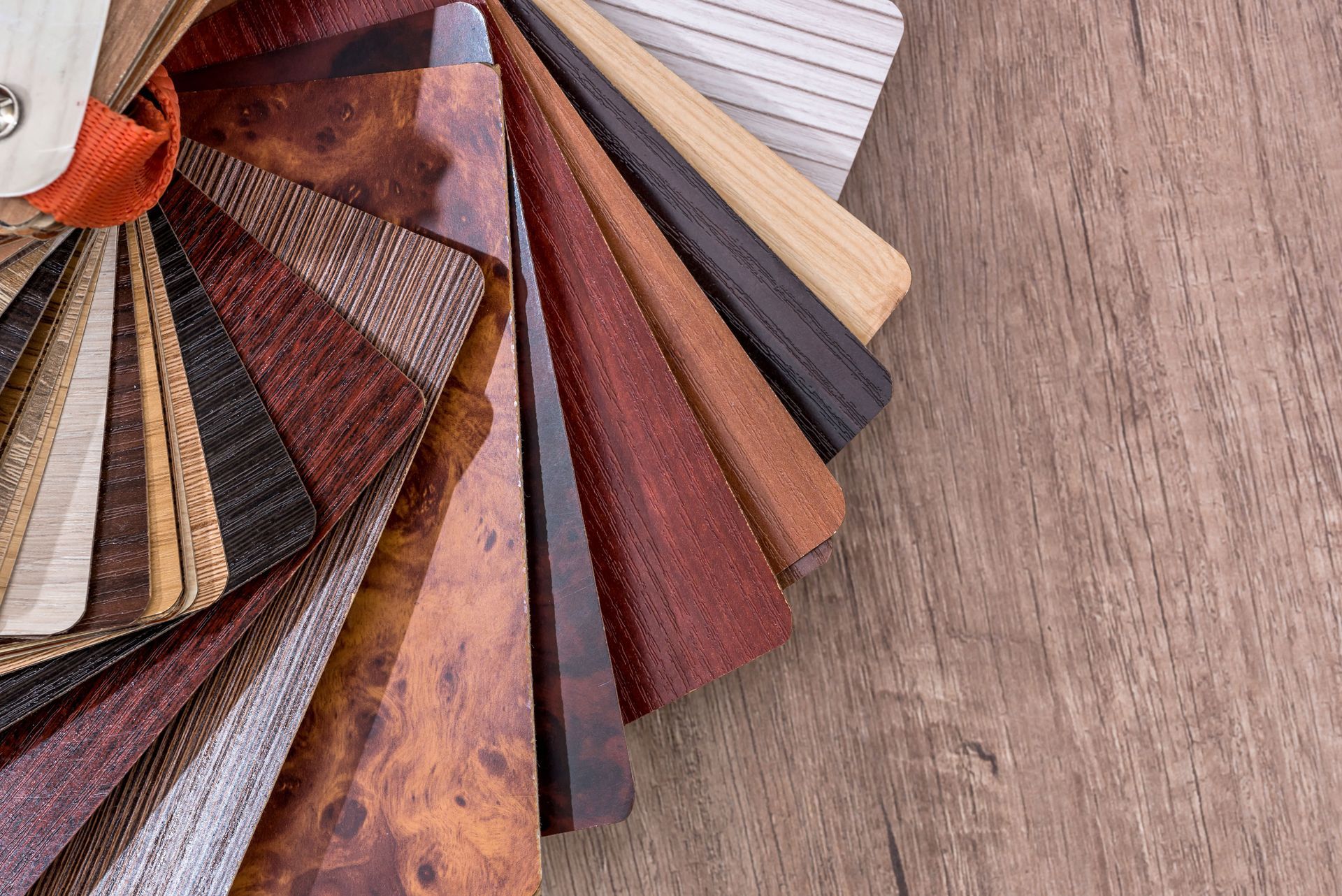
Customization is another area where baseboards truly stand out. Available in materials such as wood, MDF, PVC, and metal, trim options can be tailored to match performance needs and stylistic preferences. Each option offers distinct advantages related to durability, cost, and appearance.
Height, thickness, and profile selection further expand customization potential. Larger profiles can add elegance and presence, while simpler designs maintain subtlety. Custom moldings allow for unique expressions that reflect personal taste and enhance property value.
Section 7: Installation Quality and Long-Term Performance
While material and design choices are important, installation quality ultimately determines how well baseboards perform over time. Precise measurements, tight joints, and proper fastening prevent gaps that can develop as a home settles. Poorly installed trim may separate from walls or floors, reducing both visual appeal and protective benefits.
Caulking and finishing also play a critical role in long-term performance. Seamless transitions between trim and wall surfaces help block dust, moisture, and air movement. Evenly applied finishes resist chipping and discoloration more effectively.
Section 8: Energy Efficiency and Draft Reduction
Trim can subtly support indoor comfort by helping reduce drafts along exterior walls. Small gaps where walls meet floors often allow air movement, especially in older homes. When molding is properly installed and sealed, it helps limit airflow and maintain consistent indoor temperatures.
Reducing drafts improves comfort by minimizing cold spots near floors. Over time, this benefit supports efficient heating and cooling performance.
Section 9: Renovation, Updates, and Property Value
Baseboards often become a focal point during renovations and interior updates. Replacing outdated or damaged trim can instantly modernize a space without extensive remodeling. Updated profiles or fresh finishes can dramatically change how a room feels.
From a resale perspective, consistent trim details signal quality and attention to detail. These subtle cues contribute to perceived value and help create strong first impressions.
Section 10: Integrating Trim Into a Cohesive Design Strategy
To maximize impact, trim should be considered as part of a broader interior design strategy. Coordinating wall trim with door casings, window moldings, and crown details creates visual consistency throughout a home.
Section 11: Consistency Across Multiple Rooms
Maintaining consistency in trim design across multiple rooms helps establish a sense of unity throughout a home. When molding styles vary drastically from space to space, interiors can feel disjointed or visually cluttered. Consistent profiles, heights, and finishes create a smooth transition between rooms, allowing the eye to move naturally through the home without interruption. This approach is especially effective in hallways and open floor plans where multiple spaces are visible at once.
Consistency does not mean uniformity without flexibility. Subtle variations, such as increasing trim height in formal living areas or simplifying profiles in utility spaces, can still support cohesion when guided by an overall design theme. Aligning trim details with flooring transitions and wall finishes further reinforces continuity. These thoughtful decisions contribute to a balanced interior that feels intentional rather than pieced together.
From a practical standpoint, consistent trim also simplifies future maintenance and repairs. Matching profiles and materials make replacements easier and help preserve a uniform appearance over time. This long-term consideration adds to the functional value of interior detailing while supporting a polished and enduring design aesthetic.
Although often understated, baseboards contribute significantly to both the appearance and performance of interior spaces. Thoughtful selection and installation help ensure every room feels complete, functional, and refined. Contact our team at Sunstate Distributors today to get connected with our baseboard services.