August 13, 2026
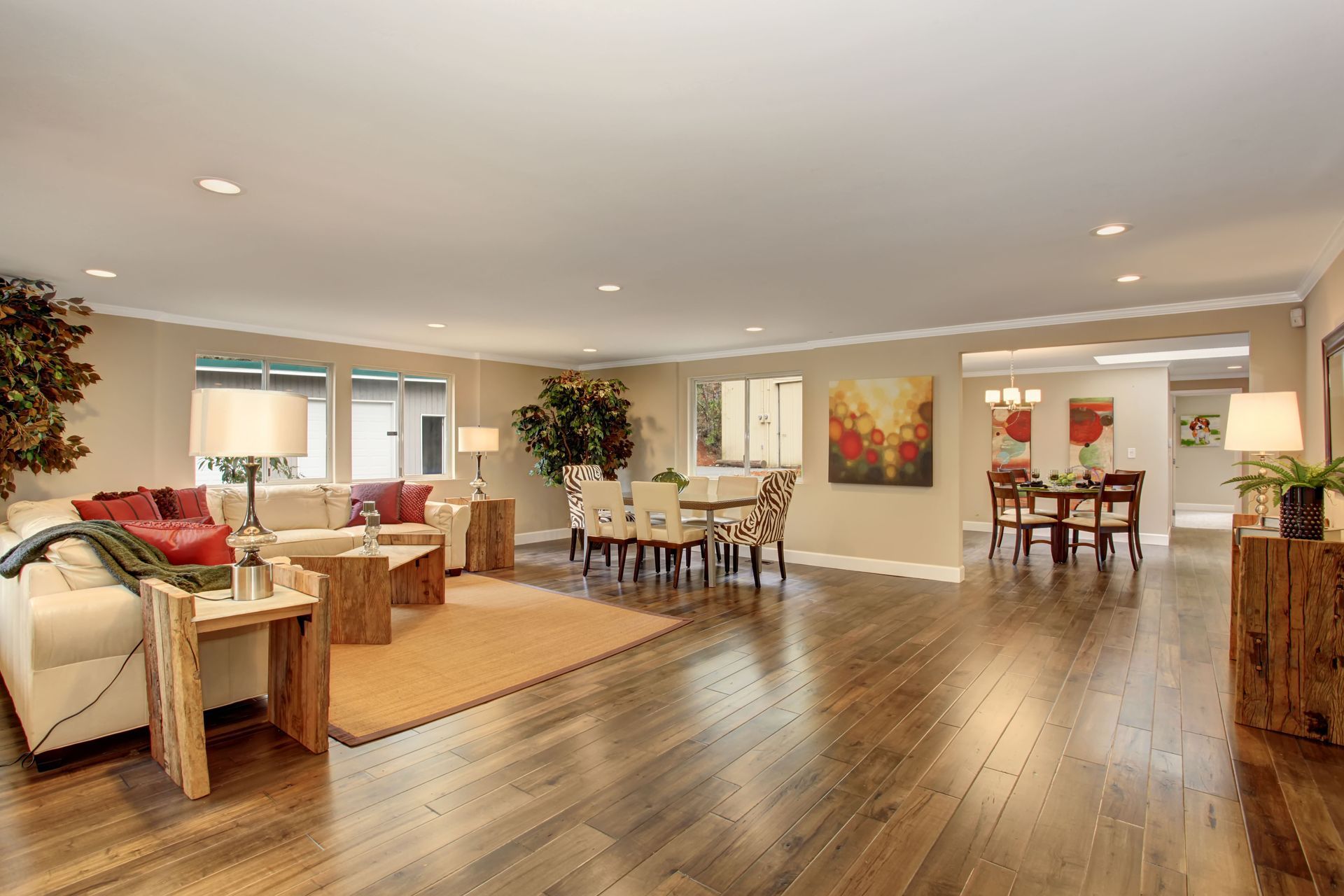
Choosing new floors is an important home improvement decision because the material affects appearance, comfort, maintenance, and long-term value. Homeowners often want a surface that provides the look of natural wood without the cost or upkeep associated with traditional hardwood. Laminate offers a practical alternative by combining a decorative surface with a durable layered construction. It is available in many colors, plank widths, textures, and patterns, making it suitable for a wide range of interior styles. Visiting a laminate flooring store can help homeowners compare these options, understand performance differences, and choose products that fit their rooms, routines, and renovation budgets.
Although laminate is widely available, not every product performs the same way. Thickness, wear ratings, moisture resistance, locking systems, and underlayment requirements can all influence how the finished floor looks and feels. The condition of the subfloor and the quality of installation are also essential to long-term performance. Understanding the main characteristics of laminate can help homeowners avoid unsuitable products and prepare properly for installation. With careful planning, this flooring can provide an attractive, comfortable, and dependable surface throughout many areas of the home.
Understanding Laminate Construction
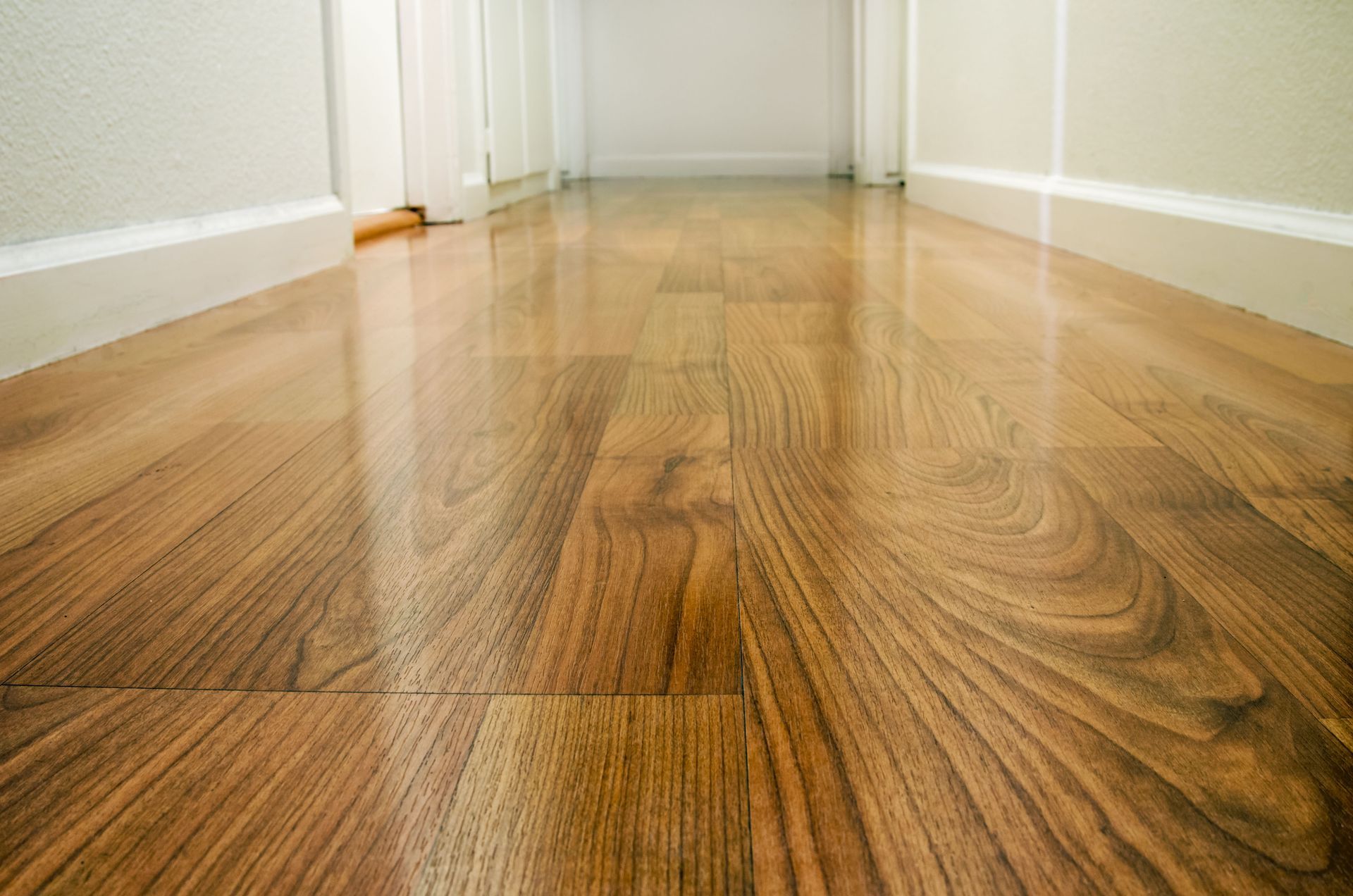
Laminate is manufactured from several layers that work together to create a stable flooring plank. The top wear layer provides resistance to scratches, stains, fading, and everyday foot traffic. Beneath it is a decorative image layer that reproduces the appearance of wood, stone, or another material. A dense fiberboard core gives the plank strength and structure, while a backing layer helps stabilize the product and reduce the risk of warping. The quality and thickness of each layer affect how well the floor performs after installation.
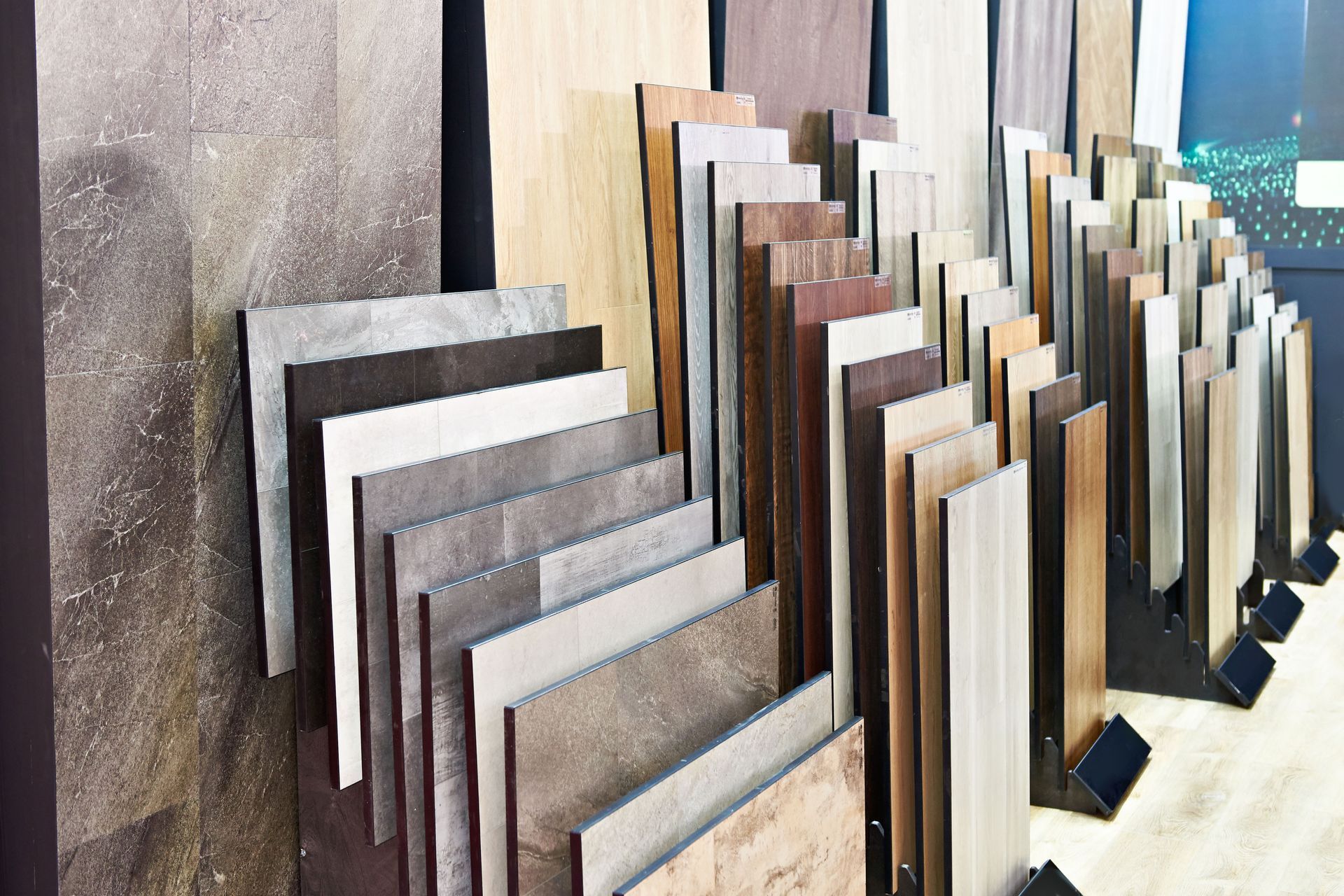
Homeowners should examine product samples closely instead of judging flooring only from online photographs. A laminate flooring store may display full planks or installed sections that make it easier to see color variation, surface texture, edge details, and pattern repetition. Higher-quality products often include realistic embossing that aligns with the printed wood grain, helping the surface look more natural. Understanding the layered construction also helps homeowners recognize why laminate should not be refinished like solid hardwood once its upper surface becomes severely damaged.
Comparing Thickness and Durability
Plank thickness influences the way laminate feels underfoot, how effectively it hides minor subfloor imperfections, and how stable the locking joints remain. Thicker products may feel more substantial and create a quieter walking surface, but thickness alone does not determine quality. The density of the core, strength of the locking system, and durability of the wear layer are equally important. Homeowners should compare complete product specifications instead of assuming the thickest available plank is automatically the best choice.
According to Home Advisor, laminate planks typically range between 6 and 12 millimeters in thickness. An 8- to 10-millimeter plank generally delivers the best mix of comfort and durability for most homes, as long as the subfloor is smooth. A knowledgeable laminate flooring store can help customers compare thickness with other performance factors, including wear classifications and warranty terms. Busy households with pets, children, or heavy furniture may benefit from a more durable product designed for higher traffic levels, while quieter rooms may not require the same degree of resistance.
Evaluating Moisture Resistance
Traditional laminate can be vulnerable to moisture because its fiberboard core may swell if water reaches the joints or remains on the surface. Newer products often include water-resistant coatings, tighter locking systems, and treated edges that provide greater protection against spills. These improvements can make certain products suitable for kitchens, entryways, laundry areas, and other rooms where occasional moisture is expected. However, water-resistant and waterproof are not always interchangeable descriptions, so homeowners should read the manufacturer's limitations carefully.
Room conditions should guide product selection. A laminate flooring store can explain which collections are approved for specific locations and how quickly spills must be cleaned. Even moisture-resistant laminate may not be recommended for areas with frequent standing water or ongoing leaks. Proper perimeter expansion gaps, sealed edges where required, and correct underlayment can also help protect the installation. Addressing plumbing problems and moisture concerns before work begins is essential because no flooring product can compensate for an active leak or a persistently damp subfloor.
Selecting Colors and Visual Styles
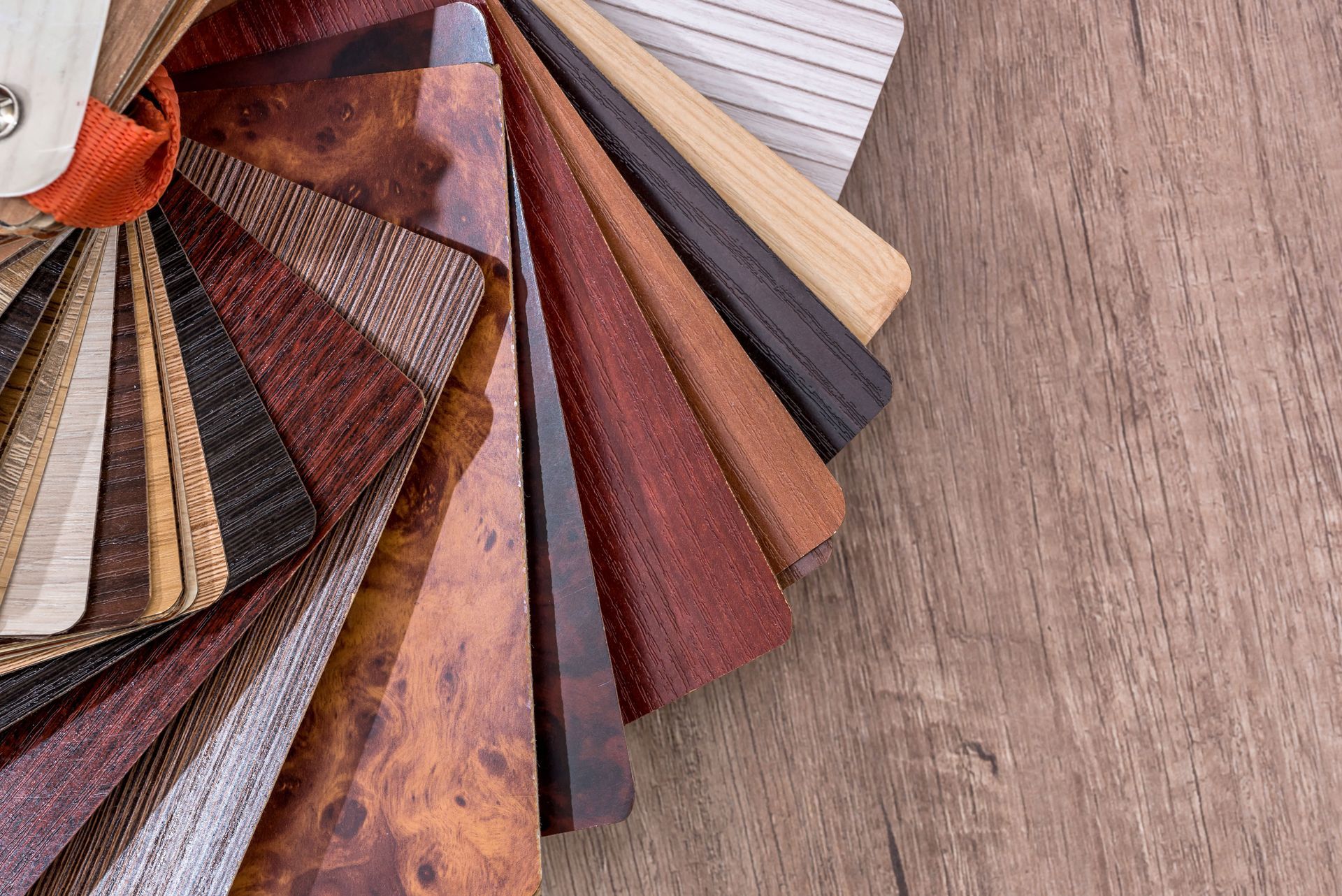
Laminate is available in designs that resemble oak, maple, walnut, hickory, pine, stone, and many other materials. Light colors can make small rooms feel more open, while darker tones may create warmth and contrast. Medium wood shades often coordinate easily with a variety of furniture, paint colors, and cabinetry. Homeowners should consider the amount of natural light in each room because the same plank may appear different under warm bulbs, cool lighting, or direct sunlight.
Plank width and surface texture also influence the overall appearance. Wide planks can create a more open and contemporary look, while narrower styles may complement traditional interiors. Matte finishes tend to conceal dust and minor marks more effectively than glossy surfaces. Bringing cabinet, paint, fabric, or countertop samples to a laminate flooring store can make it easier to coordinate colors. Viewing multiple planks together is also important because a single sample may not show the full range of pattern and tone variation included in the product.
Choosing Suitable Underlayment
Underlayment is a thin material placed between the laminate and the subfloor. It can reduce sound, improve walking comfort, provide minor cushioning, and help the planks move properly as a floating floor. Some laminate products include an attached pad, while others require a separate underlayment. Concrete installations may also need a vapor barrier to prevent moisture from reaching the flooring core. Using the wrong product or combining incompatible layers can affect stability and may void the warranty.
A laminate flooring store can help homeowners determine whether a selected plank already includes padding and whether additional moisture protection is necessary. Underlayment thickness should follow the flooring manufacturer's instructions because an excessively soft layer may allow too much movement at the joints. Homeowners living in condominiums or upper-level rooms may also need to consider sound ratings. Choosing an approved underlayment supports comfort without interfering with the locking system or the overall performance of the floor.
Planning Installation and Maintenance
Many laminate products use click-lock edges that allow the planks to float over the subfloor without being nailed or glued down. Although this system can simplify installation, accurate measuring and careful planning remain important. Plank rows should be arranged to avoid very narrow pieces along walls, and end joints should be staggered according to the manufacturer's directions. Doorways, closets, transitions, vents, and irregular corners require precise cuts that can affect the finished appearance.
After installation, routine maintenance is generally straightforward. Sweeping, vacuuming with a hard-floor setting, and cleaning with a slightly damp microfiber pad can remove most dirt. Excess water, steam mops, abrasive pads, and harsh chemicals should be avoided unless specifically approved. Felt pads beneath furniture can reduce scratches, while mats near entrances can capture grit and moisture. Homeowners should follow the product warranty and care guide because recommended cleaning methods may vary among manufacturers.
Laminate can be a practical choice for homeowners who want the appearance of wood with manageable maintenance and a broad range of design options. Selecting the right product requires more than choosing an attractive color; thickness, wear resistance, moisture protection, underlayment, subfloor preparation, and installation requirements all contribute to long-term performance. Comparing products at a laminate flooring store allows homeowners to evaluate samples directly and receive guidance based on the needs of each room. With thoughtful selection and proper care, laminate can provide a comfortable and attractive surface for years. To explore flooring styles and find the right materials for your home, contact Sunstate Distributors.