May 26, 2026
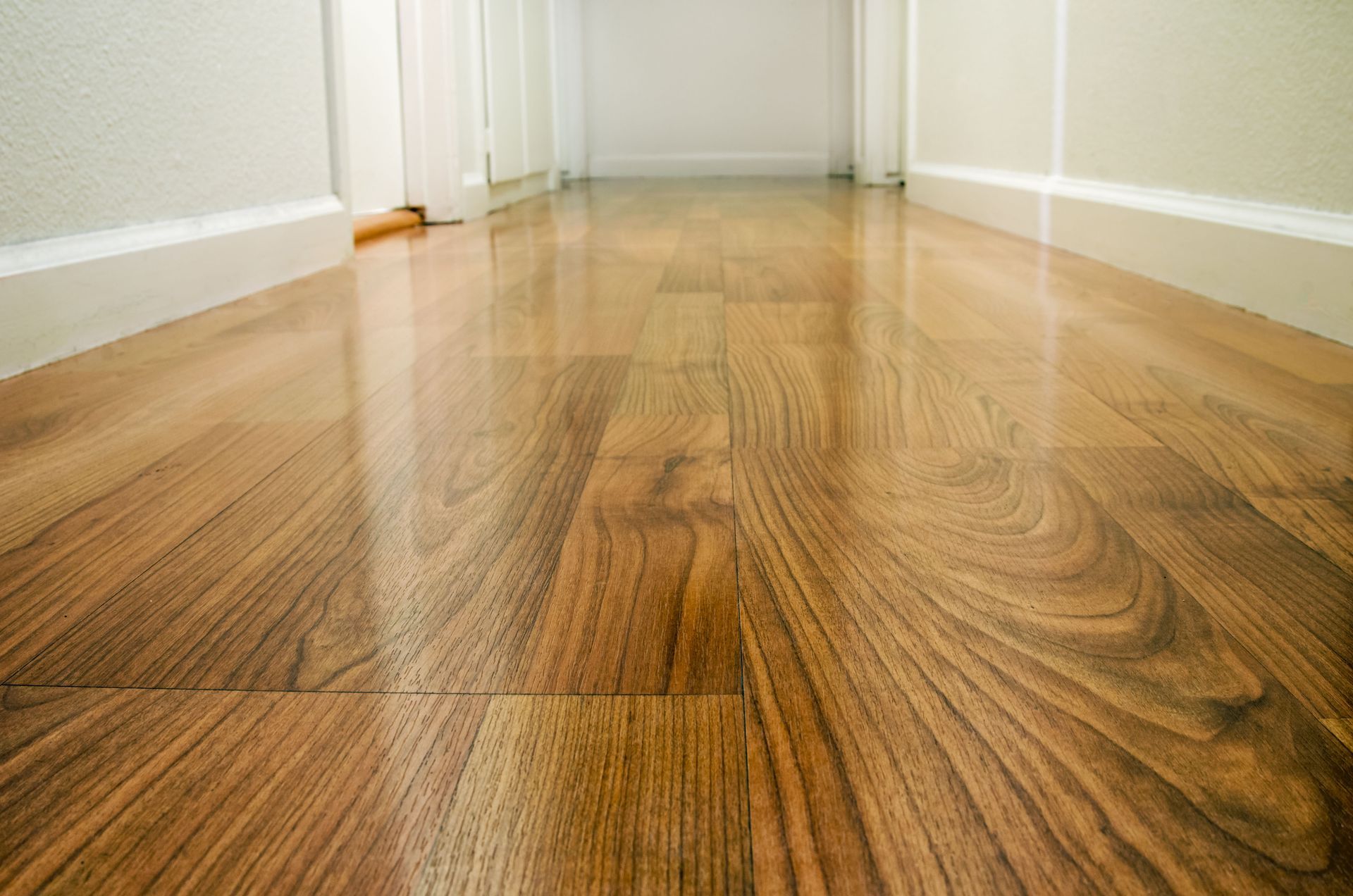
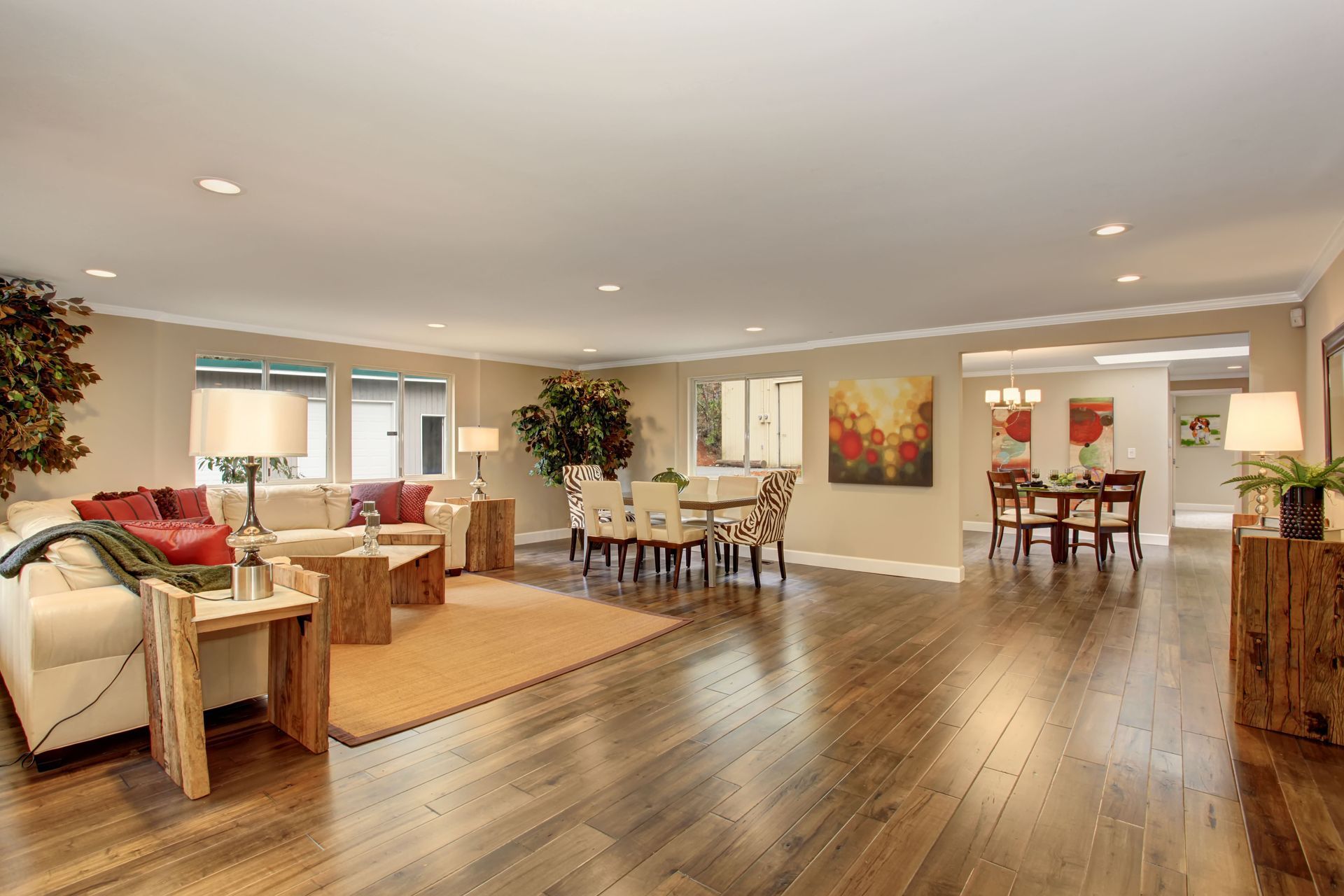
Luxury vinyl flooring has become a popular choice for homeowners and commercial property owners who want a balance of style, comfort, and long-term durability. Modern flooring solutions are expected to withstand daily activity while still maintaining their visual appeal over time. Because flooring is one of the most heavily used surfaces in any property, durability and longevity often play a major role in purchasing decisions.
The lifespan of any flooring material depends on several factors, including installation quality, maintenance practices, traffic levels, and environmental conditions. Understanding these factors can help property owners make informed decisions and better protect their investment over time.
Material Quality
The overall quality of the flooring material has a major impact on how long vinyl flooring lasts. Higher-quality products often feature stronger protective layers that help resist scratches, stains, dents, and fading. These protective features can make a noticeable difference in how the flooring performs over the years.
Luxury products are also manufactured with greater attention to stability and structural integrity. This helps the flooring maintain its appearance even in areas with consistent activity. According to Fortune Business Insights, luxury vinyl flooring can remain intact for up to 25 years. This long lifespan has helped increase confidence in the material among both residential and commercial property owners.
Lower-grade materials may initially appear similar, but they can wear down more quickly when exposed to regular use. The thickness of the wear layer, the construction of the planks or tiles, and the overall manufacturing standards all contribute to long-term performance. Choosing quality materials often helps reduce the likelihood of early replacement and ongoing repairs.
Appearance also plays a role in perceived longevity. Flooring that continues to look polished and attractive over time naturally feels more durable to occupants and visitors alike. High-quality vinyl flooring products are often better equipped to preserve their finish and texture even after years of use.
Installation Methods
Professional installation plays a critical role in determining the lifespan of vinyl flooring. Even high-quality materials may experience problems if the flooring is not properly installed from the beginning. Uneven surfaces, moisture issues, poor alignment, or improper sealing can shorten the life of the flooring and affect its appearance.
A properly prepared subfloor creates a stable foundation that supports the flooring over time. Smooth and level surfaces help prevent shifting, lifting, and uneven wear patterns. Professional installers also understand how to address moisture concerns and environmental conditions that may impact the flooring after installation.
Accurate installation techniques help improve the flooring’s ability to handle expansion and contraction caused by temperature and humidity changes. This is especially important in areas where environmental conditions fluctuate throughout the year. Proper spacing and secure placement can help prevent gaps or buckling from developing later.
Professional installation also contributes to the finished appearance of the flooring. Clean edges, precise cuts, and smooth transitions create a more polished look that enhances the overall space. When flooring is installed correctly, it tends to perform more consistently and maintain its appearance for a longer period of time.
Daily Foot Traffic
The amount of daily activity a floor experiences can significantly influence how long vinyl flooring lasts. Areas with constant movement naturally experience more wear than quieter spaces. Entryways, kitchens, hallways, and commercial environments are often exposed to heavier traffic patterns that place additional stress on flooring surfaces.
Vinyl flooring is designed to withstand regular use, but long-term durability still depends on how the space is used. Heavy furniture movement, rolling equipment, pet activity, and frequent foot traffic can gradually affect the surface over time. Floors in lower-traffic environments may maintain their appearance longer because they experience less repeated friction and impact.
Protective measures can help reduce unnecessary wear in high-traffic spaces. Entry mats, furniture pads, and regular cleaning practices can minimize dirt buildup and reduce the risk of scratches. Dirt and debris may seem harmless, but repeated movement across the surface can slowly wear down protective layers.
Commercial settings often choose vinyl flooring because it offers a balance between durability and appearance. The ability to maintain a professional look despite ongoing activity makes it an attractive solution for many businesses. In residential spaces, families often appreciate the flooring’s ability to handle busy lifestyles while remaining relatively easy to maintain.
Moisture Resistance
One of the reasons vinyl flooring has become so widely used is its moisture resistance. Many flooring materials can struggle in humid environments or areas prone to spills, but vinyl flooring is often designed to perform well in these conditions. This characteristic helps extend the lifespan of the flooring while supporting its appearance over time.
Bathrooms, kitchens, laundry rooms, and basements are spaces where moisture exposure can occur regularly. Flooring materials that absorb water may warp, swell, or weaken over time. Vinyl flooring, however, is generally more resistant to these problems when properly installed and maintained.
Moisture resistance also contributes to easier cleanup and daily maintenance. Spills can often be addressed quickly without causing long-term damage to the flooring surface. This convenience makes vinyl flooring appealing to households with children, pets, or active lifestyles where accidents may occur more frequently.
Environmental moisture can still affect flooring if underlying issues are ignored. Excessive humidity, leaks, or standing water beneath the flooring may eventually create problems. Addressing these concerns promptly and relying on professional evaluations when needed can help preserve the flooring’s long-term condition.
Maintenance Practices
Routine care is essential for maximizing the lifespan of vinyl flooring. Consistent maintenance helps preserve the surface while reducing the likelihood of long-term damage. Although vinyl flooring is generally considered low maintenance, regular attention still plays an important role in keeping it looking its best.
Simple cleaning routines can help prevent dirt and debris from gradually wearing down the protective layer. Sweeping, vacuuming, and gentle mopping remove particles that may otherwise create scratches or dull the surface over time. Using appropriate cleaning products also helps protect the flooring from unnecessary damage.
Avoiding harsh chemicals and abrasive tools is equally important. Strong cleaners or rough scrubbing materials may weaken the finish and reduce the flooring’s visual appeal. Property owners often benefit from following manufacturer recommendations regarding cleaning methods and maintenance products.
Furniture placement and movement can also influence the flooring’s condition. Protective pads beneath furniture help reduce pressure and minimize scratching. Paying attention to these small details can contribute to a cleaner, more polished appearance over the years.
Regular professional inspections may also help identify early signs of wear before they become more serious concerns. Addressing minor issues promptly often helps extend the life of the flooring while protecting the investment made in the property.
Design Longevity
In addition to physical durability, design longevity also contributes to the overall value of vinyl flooring. Flooring trends may change over time, but many modern vinyl flooring styles feature timeless aesthetics that remain appealing for years. This helps property owners avoid the need for premature replacement due to outdated appearances.
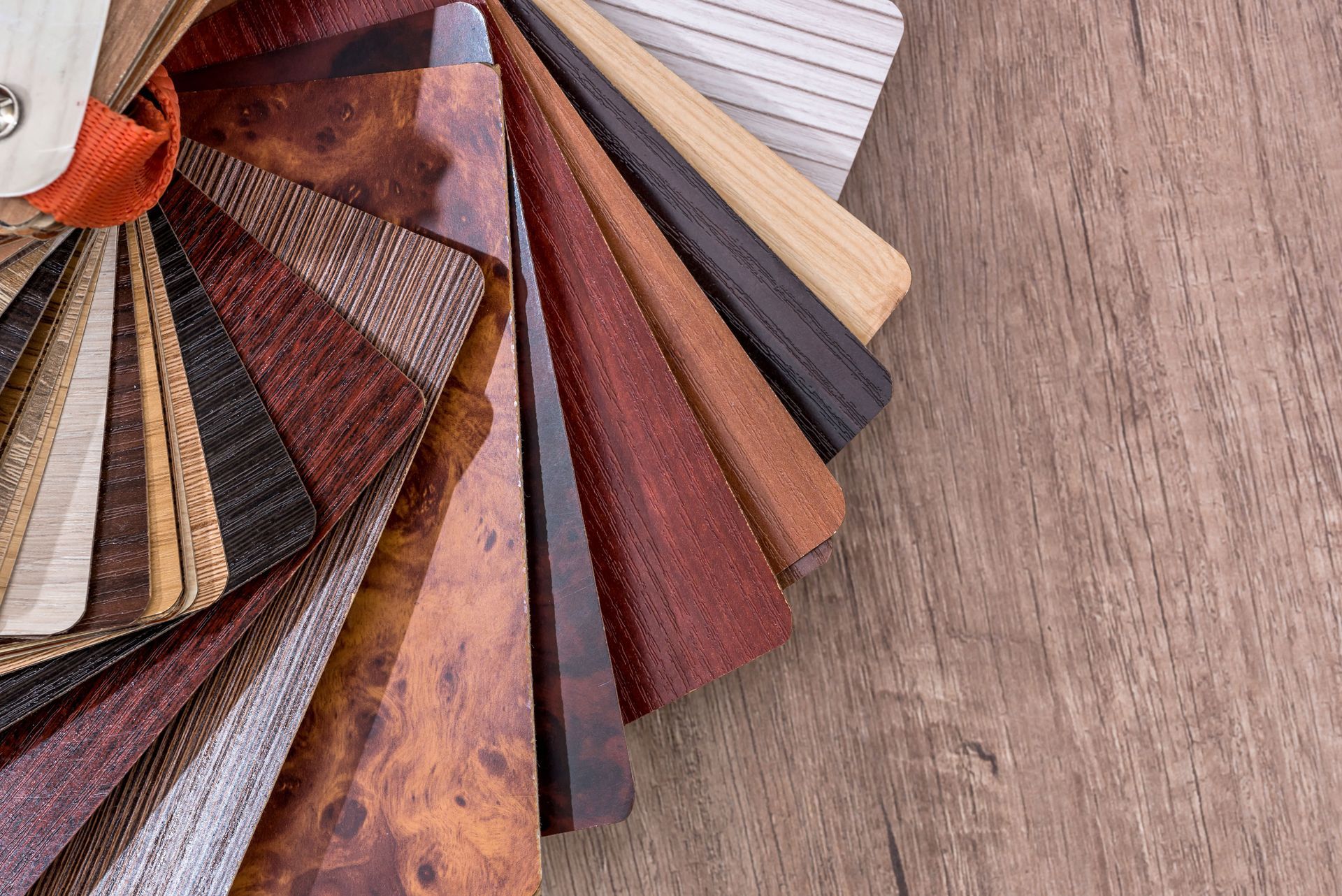
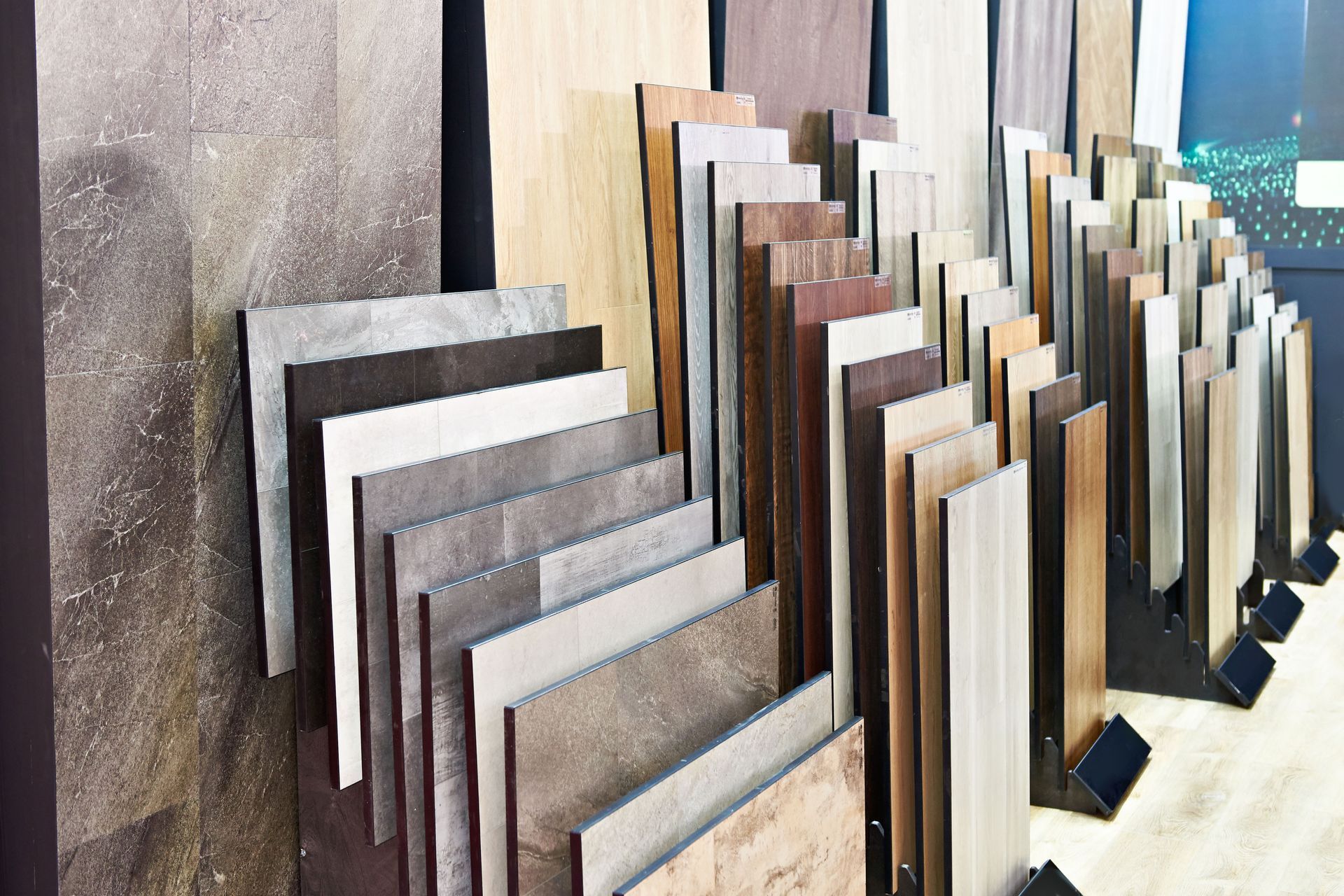
Luxury vinyl products are available in a wide range of colors, textures, and patterns that mimic natural materials while offering easier maintenance. This versatility allows property owners to choose designs that complement both modern and traditional spaces. Because the flooring can blend into many different interior styles, it often maintains its visual relevance longer.
Consistent appearance retention is another important factor. Flooring that resists fading, discoloration, and visible wear continues to contribute positively to the overall atmosphere of a property. Even after years of use, well-maintained vinyl flooring can still look fresh and inviting.
Property owners also appreciate the adaptability of vinyl flooring during renovations or design updates. Because it pairs well with many décor styles, it often remains compatible with changing furniture, paint colors, and interior trends. This flexibility helps extend both the practical and aesthetic lifespan of the flooring.
The lifespan of vinyl flooring depends on a combination of material quality, installation practices, environmental conditions, maintenance routines, and daily use. When properly selected and professionally installed, vinyl flooring can provide dependable performance and lasting visual appeal for many years. Its durability, moisture resistance, and design versatility continue to make it a preferred choice for both residential and commercial spaces.
For property owners seeking flooring solutions that balance style with long-term reliability, professional guidance can make a significant difference. At Sunstate Distributors, we help our customers explore high-quality flooring options designed to support lasting performance while enhancing the comfort and appearance of their spaces.